There are certain words we use so often that they start to lose their edges. “Faithful” is one of them. Most of the time, when we hear the word, our minds go straight to marriage. A faithful husband. A faithful wife. Sometimes we think of church, of being faithful to God, faithful in prayer, faithful in attendance. All of that is right, but I think the word reaches farther than we sometimes allow it to.
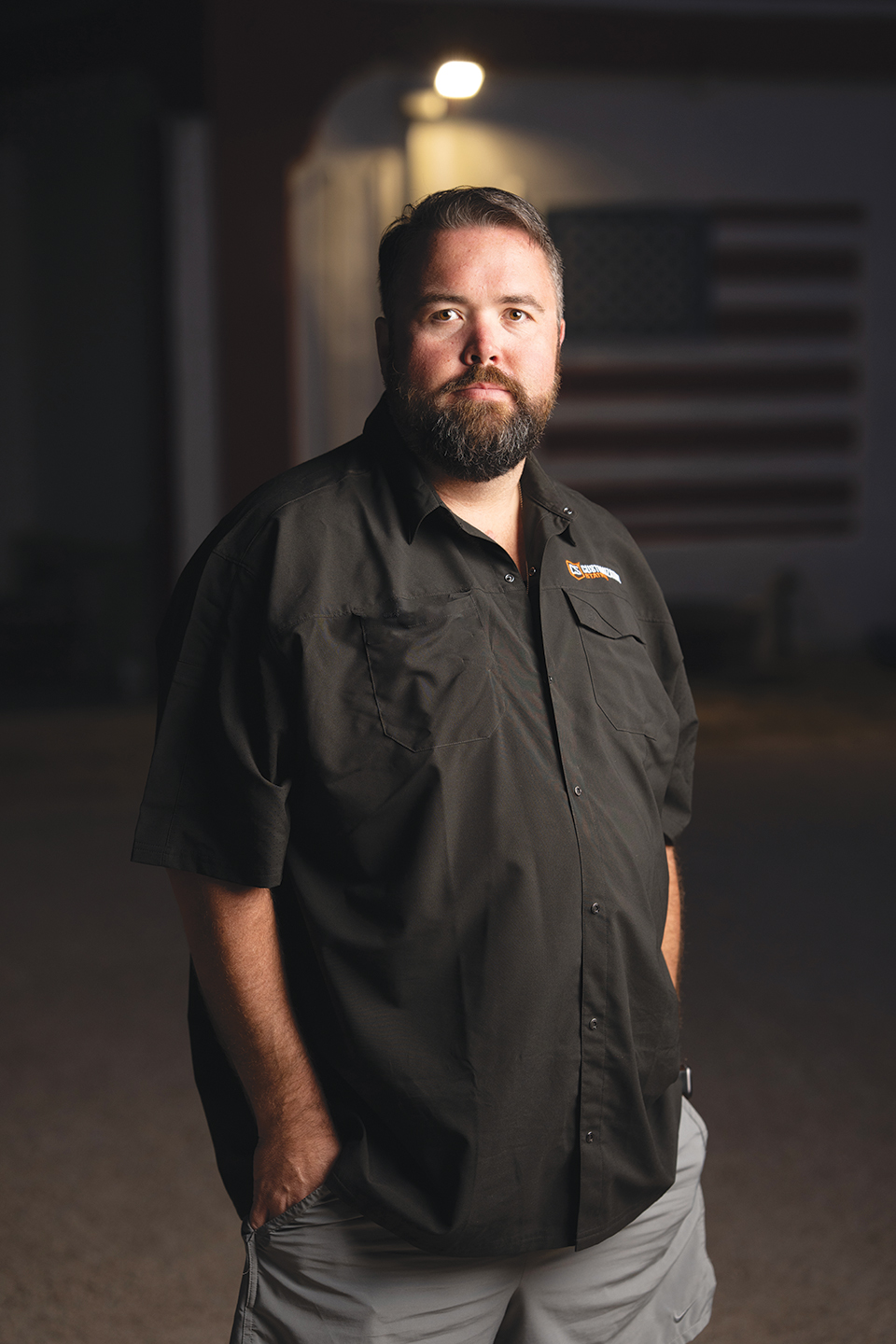
In this month’s cover story, Wes Holekamp said something that stuck with me. He was talking about the advice he would give other men, and he said to be faithful not only to your spouse, but to your family, your kids, your money, your school, and your church. That is a much bigger definition of faithfulness, and probably a more useful one.
Because when you think about it, most of what makes a good man good is remarkably ordinary. He keeps his word. He pays what he owes. He comes home. He goes to work. He takes care of what belongs to him. He calls when he said he would call. He shows up when he said he would be there. He does the job right even when nobody is standing over his shoulder checking it.
None of that is especially glamorous, and that may be part of the point. Nobody is going to hand you a trophy because you sat through your daughter’s volleyball tournament when you were tired, or because you spent Saturday fixing something around the house instead of doing what you wanted to do. Your name probably will not make the newspaper because you kept a promise, but those things matter.
We live in a culture that likes the big moment. The promotion. The announcement. The new business. The big purchase. The transformation. The victory lap. We are constantly shown people reinventing themselves, leveling up, breaking through, and moving on to the next thing.
There is nothing wrong with ambition. Men ought to have goals, and we ought to push ourselves. But somewhere along the way, we also have to remember the value of staying. Staying committed to the woman you married when marriage gets difficult. Staying engaged with your children when they reach an age where they would rather be anywhere but with you. Staying involved in your community after the novelty has worn off and the meetings have become long and boring.
Faithfulness can also mean staying honest in business when cutting a corner would be easier, or staying true to what you believe when doing so suddenly costs you something. Most of the time, nobody sees those decisions happening, which is part of why they matter.
A man can look impressive from across the room and still be unreliable to everyone who actually depends on him. He can have the title, the truck, the house, the business, and the reputation, yet leave a trail of people behind him who know his word does not mean much.
On the other hand, some of the best men I know are not especially flashy. They are dependable. If they tell you they are going to do something, you can quit worrying about it. Their wives know where they stand. Their kids know Dad will be there. Their friends know they can call when things go sideways. Their churches and civic organizations know that when chairs need to be moved, food needs to be served, or something needs fixing, there are a handful of people who will probably show up.
Scripture spends a great deal of time on this idea. We are told to be faithful with what has been entrusted to us. That may be money, talent, a family, a business, a piece of land, an opportunity, a friendship, or a position of responsibility. Not everybody is going to be entrusted with the same things. The question is what you are doing with yours.
I have been thinking about that more lately. There are things in my own life I want to build. There are goals I want to reach, places I want to go, and things I still want to accomplish. I suspect most men reading this could say the same. But I do not want ambition to become an excuse for neglect.
There is always another project, another opportunity, another dollar to make and another thing demanding attention. Meanwhile, the things that matter most are usually sitting right in front of us: our wives, our children, our parents, our homes, our churches, our communities, and our word.
Those things rarely demand attention with the same urgency as a ringing phone or a full inbox, but they have a way of keeping score over the years. One day, our children will be grown. Somebody else will sit in our chair at work. Somebody else will own the house. Somebody else will lead the organization. Most of the things we spend our days worrying about will eventually belong to somebody else.
What remains is the way we handled them while they were ours.
That may be the real measure of faithfulness. Not whether we did something extraordinary, but whether the people and responsibilities placed in our care were better because we were there.
“That may be the real measure of faithfulness. Not whether we did something extraordinary, but whether the people and responsibilities placed in our care were better because we were there.”
A good man does not need to be perfect. Lord knows none of us are. But he ought to be steady and trustworthy, the kind of man whose wife, children, friends and neighbors can say, without hesitation, “If he said he would, he will.”
There are worse things to be remembered for, and there may not be many better ones.
From the October 2026 issue of The Kendall Gentleman.
This issue’s cover story, Wes Holekamp: The Long Road Home, is the piece that prompted this column, alongside the Holekamp family’s deeper roots in The Holekamps: A Family That Helped Build Kendall County. For more from the Publisher’s Note archive, read Knowing What Is Important and The Signature We Leave.