Our whiskey grain choices reflect our agricultural history. Whiskey preferences are closely tied to the grains used in production. Mashbills show the mix and amounts of different grains in the whiskey. The location helps identify various styles within whiskey categories, but mashbills are what truly define whiskey.
**Barley** is fundamental to many Scotch, Irish, American Single Malt, and international whiskeys. It plays an essential role in whiskey production because it contains crucial enzymes that convert stored sugars into alcohol. During fermentation, a mash bill should include 5% to 15% barley; without it, enzymes need to be added. Malt houses soak the barley in warm water for two days to promote sprouting, and maintaining the proper temperature is vital to releasing the enzymes without destroying them. The term “malt” is flexible since any cereal grain can be malted. Many older generations might remember the taste of malt milkshakes. During Prohibition, malt houses saw a decline in demand for malting barley for beer and whiskey, leading to increased popularity of malt products as dietary supplements and in thicker dairy products. This shift became a financial lifeline for barley farmers and malt houses.
The American whiskey journey, especially through Kentucky and Tennessee, introduced us to **corn** and the sweetness it adds to whiskey. Canadian whiskies also often feature corn heavily. “Corn whiskey,” defined as having a mash bill of at least 80% corn, is very sweet — this is likely why corn syrup was created for sweetening food. In many local stores, bourbon stands out as the most popular corn-based whiskey, and one of the federal rules for bourbon is that it must contain at least 51% corn in its mash bill.
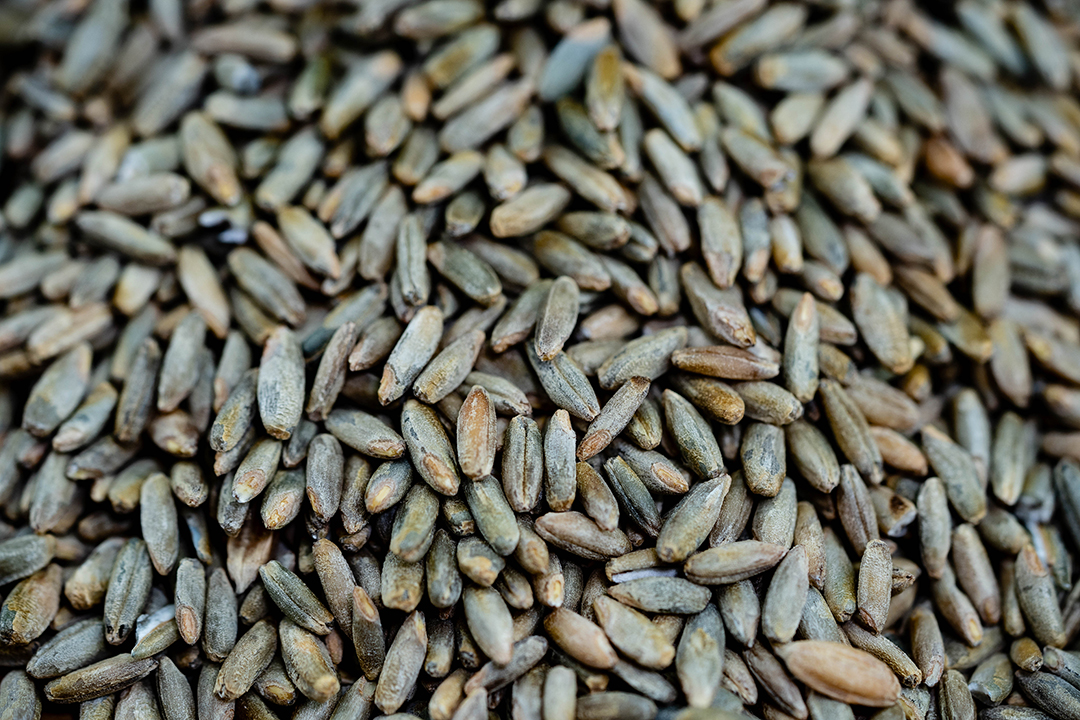
Our country’s whiskey journey also began with **rye**, which adds a spicy note to whiskey, reminiscent of baking spices, anise, menthol, eucalyptus, dill, and other herbal flavors. Rye is never subtle, as different strains have distinct flavor profiles. People searching for a “smooth” whiskey might mistakenly think that rye or high-rye bourbon is inferior because the baking spice provides a tingling sensation. By law, rye whiskey must be made from a mash bill that’s over 51% rye grain. Interestingly, in Canada, many refer to all whiskey as “rye,” like how many people refer to carbonated beverages as “coke.”
* Wheat isn’t as common as the big three grains but offers a delightfully sweet flavor on its own. Wheat whiskey is harder to find because it’s less popular in distillation and is often used as a secondary grain. Bourbons that include wheat as a secondary grain tend to have a softer mouthfeel, which some link to “smoothness.” However, it’s important to remember that “smooth” isn’t a sign of quality; it’s just a trait of wheat.
Finally, we have other **cereal grains**. Rice, oats, triticale, and even spelt are increasingly used in whiskey mash bills. Distilleries are now sourcing heritage grains grown locally, working with farmers to cultivate traditional crops suited to the regional environment. This focus on terroir is becoming more important in whiskey production.
The art of blending grains in different proportions makes each distillery distinctive. Recipes are seldom top secrets; visiting a distillery’s website can reveal mashbills, such as a 95% rye and 5% malted barley mix, known as a 95/5. Terms like “Wheated Bourbon” show that wheat is the secondary grain after corn. Personally, I enjoy High Rye bourbons because the rye spice adds complexity, enhancing the sweetness of the corn, whether sipped neat or used in cocktails.
**Garrison Brothers** is a local distillery in Hye, Texas, known for its beautiful setting where visitors can relax under the trees while enjoying their wheated bourbons along with tasty snacks. The distillery is situated away from the hustle and bustle of the city, overlooking the scenic beauty of the Texas Hill Country. The legendary Garrison Brothers Bourbon is the first legal bourbon in Texas once Texas allowed it to distill! Thank you, Garrison Brothers, for the hard work in bourbon experimentation and for starting to figure out how different Texas whiskey distillation is from the rest of the country. Garrison’s distinctive and colorful wax tops help identify their various offerings. They recently added a Bottled-In-Bond to their lineup, and their double-barreled Balmorhea bottle sales support Balmorhea State Park, which happens to be my favorite. Their yellow wax-topped Honey Dew, with a lower proof of 80%, is delightful in their classic John Daly cocktails.
Garrison Brothers John Daly Cocktail
**Ingredients:**
– 1.5-2 ounces Garrison Brothers bourbon
– 2 ounces lemonade
– 2 ounces iced tea
– Lemon wheel or mint sprig for garnish
**Directions:**
1. Fill a tall glass with ice.
2. Pour in the bourbon, lemonade, and iced tea.
3. Stir gently to combine.
4. Garnish with a lemon wheel or mint sprig.
This cocktail is ideal for batching and serving at parties. Just remember to label which one is the non-alcoholic Arnold Palmer and which is the boozy John Daly.
Mashbills are essential to whiskey production. Some prefer to stay loyal to their grain flavor profiles, while others explore the full range of nuances in different grain combinations. Learning the “recipe” of your favorite pours can help you discover others with similar recipes. Heritage brands have varying percentages for different labels; do a side-by-side comparison to see if you have a preference or can tell the difference. Explore the 4-Grain bourbons, where sweetness, spice, and softness come together. Think of the fields where the grains were grown and the effort it took to bring it to your hands as the liquid we call whiskey. Sit and sip. The weather is perfect.
From the May 2026 issue of The Kendall Gentleman.
More from the TKG cellar: the grain is just the beginning. For the legal history that shaped how American whiskey is made and sold, Bottle-In-Bond: The First Whiskey Guaranteed to Be Safe to Drink is the natural next read. And when theory turns to practice, How Do You Experience Your Whiskey? helps you make the most of what’s in the glass.